Excellence in Cooling Solutions to Maintain Your Comfort Every Season
Sustaining a cozy indoor setting needs trustworthy air conditioning support. These support are crucial for ensuring systems operate productively and effectively. Consistent care can prevent costly repairs and enhance energy performance. Identifying issues early is vital for peak performance. Understanding how to find the right unit and improve air quality can further support homeowners. Exploring these considerations provides valuable knowledge that can aid keep your home cool and appealing throughout the year.
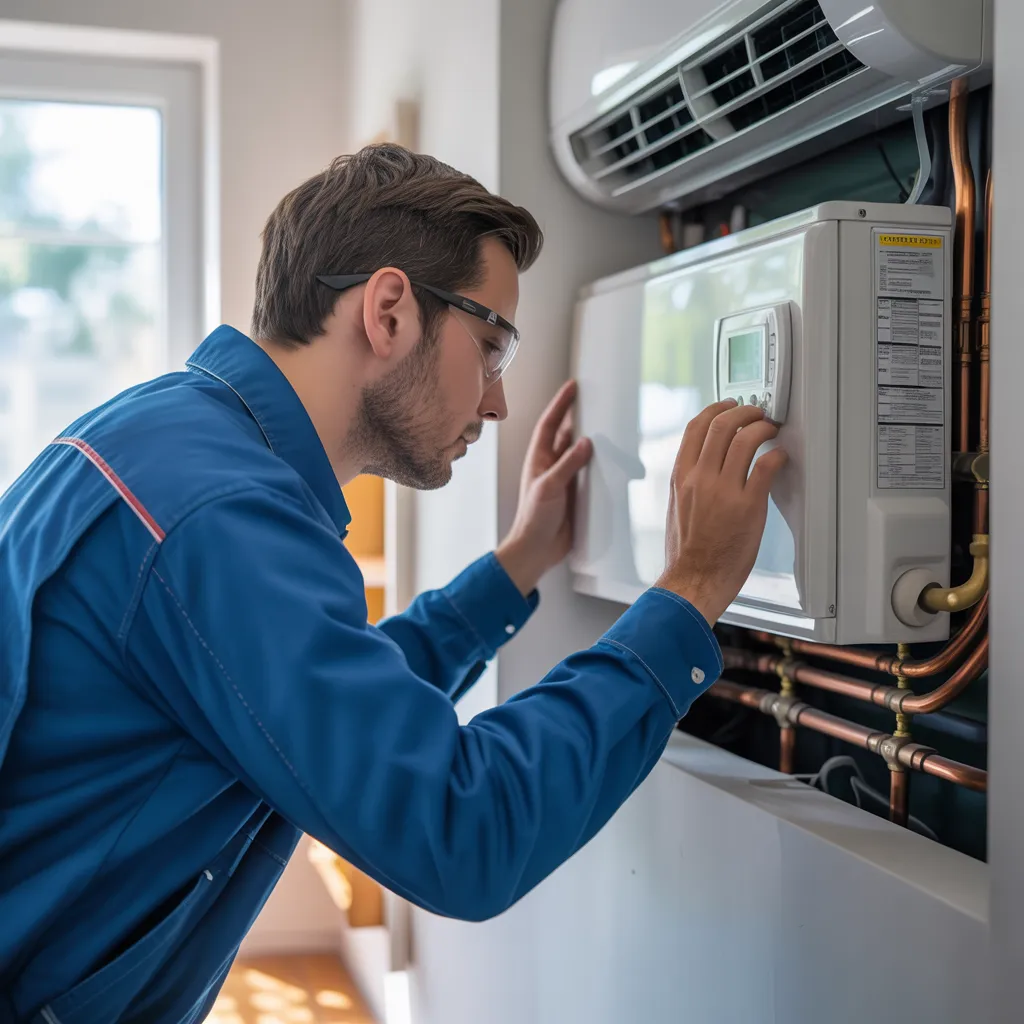
The Importance of Regular Air Conditioning Maintenance Plans
Consistent upkeep of air conditioning systems is essential for optimal performance and lifespan. Regular check-ups help identify possible issues before they escalate, assuring efficient system operation. Routine cleaning of filters and coils improves airflow and energy efficiency, leading to reduced utility costs over time. Furthermore, maintenance prevents the accumulation of dust and debris, which can cause malfunctions and reduced air quality.
Technicians regularly assess refrigerant levels, circuit systems, and temperature control calibration during routine service calls. description This comprehensive inspection lowers the probability of unforeseen malfunctions during critical periods of heat. Moreover, a adequately serviced air conditioning system improves a healthier indoor environment by minimizing allergens and pollutants.
Essentially, adhering to routine upkeep not only prolongs the life of the unit but also ensures a safe and comfortable living space. Homeowners are encouraged to schedule yearly service to reap these benefits and enjoy uninterrupted cooling throughout the seasons.
Recognizing the signs that an AC unit requires maintenance is essential for maintaining coziness and efficiency. Strange sounds, inconsistent cooling performance, and increased energy bills often indicate hidden problems that require care. Addressing these warning signs promptly can prevent more significant problems and costly repairs down the line.
Strange Acoustic or Sounds
Unusual noises coming from an air conditioning system often indicate hidden problems that require immediate care. Noises such as grinding, squealing, or rattling can reveal mechanical problems, such as worn-out bearings or loose components. A hissing noise might indicate a refrigerant leak, which can diminish system efficiency and cooling output. Additionally, a clanking sound could suggest debris within the unit or a malfunctioning fan. Homeowners should not neglect these auditory cues, as they may escalate into more significant failures if left unaddressed. Prompt evaluation by a qualified technician is essential to diagnose the root cause and implement necessary repairs, maintaining peak functioning and longevity of the air conditioning system.
Sporadic Cooling Operation
Cooling inconsistencies are a regular problem that may indicate a need for air conditioning system repair. Homeowners might notice that some rooms stay warm while others feel adequately cooled, indicating uneven airflow or duct problems. Moreover, the air conditioner can have difficulty maintaining the set temperature, often cycling on and off. This erratic behavior can cause discomfort and interfere with daily routines. Possible factors include a dirty air filter, refrigerant leaks, or defective thermostats contributing to these inconsistencies. Regular maintenance is important to spot and handle these issues before they become worse, ensuring maximum performance and comfort. Early recognition of signs can lead to prompt repairs, ultimately extending the air conditioning system’s lifespan.
Rising Energy Costs
Higher energy bills can indicate that an air conditioning system needs attention. When an air conditioning unit functions inefficiently, it uses more energy to keep desired conditions, causing higher utility costs. Homeowners should review monthly energy statements for unexpected spikes. Factors contributing to increased bills may include dirty air filters, refrigerant leaks, or aging components that struggle to operate effectively. Additionally, a poorly set thermostat can amplify energy consumption issues. If energy costs jump unexpectedly, it is best to schedule a professional inspection. Timely repairs or maintenance can improve efficiency, ultimately reducing costs and ensuring a comfortable indoor environment throughout the year. Regular checks can avoid future problems and enhance system longevity.
Guide to Selecting the Best Air Conditioning Unit for Your Home
How can homeowners ensure they select the best air conditioning unit for their specific needs? First, they should assess the square footage of their home, as an properly dimensioned unit guarantees ideal cooling and power conservation. Homeowners can use the British Thermal Unit (BTU) rating, which shows the unit's refrigeration power. Next, considering the weather conditions of their region is essential; warmer areas may require more powerful systems.
modern capabilities and selections geared toward unique individual preferences. By observing these instructions, homeowners can with assurance make a choice about an air conditioning unit that resolves their precise requirements, delivering comfort across all seasons.
Selecting the best air conditioning unit is just the beginning of guaranteeing ideal performance and energy efficiency. Regular maintenance is essential; scheduling annual check-ups can help detect issues before they grow, making certain that the system operates at peak efficiency. Additionally, cleaning or replacing filters frequently can improve airflow and lower energy consumption.
Installing a smart temperature control enables homeowners to optimize cooling schedules, modifying temperatures based on usage habits. Closing ducts to prevent air leaks is another effective method to enhance efficiency, as it ensures that cooled air reaches intended spaces without loss.
Enhancing thermal protection in attics or walls can minimize the workload on the AC unit, promoting energy savings. Finally, utilizing energy-efficient models, such as those with high SEER ratings, can make a significant difference overall energy use, yielding long-term benefits for both comfort and utility costs.
Better Internal Air Conditions Using Experienced AC Support
Indoor air quality influences health and comfort, making filter maintenance necessary for optimal air conditioning systems. Consistent air quality testing can discover pollutants and allergens, ensuring a cleaner environment. Qualified AC specialists play an important role in maintaining both filter standards and overall air quality.
Why Filter Upkeep Counts
Regular filter maintenance is vital in enhancing indoor air quality. Clean air filters are necessary for catching dust, allergens, and pollutants, blocking them from moving throughout living spaces. Over time, filters may gather debris, leading to limited airflow and increased strain on the air conditioning system. This not only reduces efficiency but can also result in higher energy bills. Regularly replacing or cleaning filters ensures peak performance and prolongs the lifespan of the HVAC unit. Additionally, well-maintained filters contribute to a healthier environment by reducing the risk of respiratory issues and promoting overall well-being. Engaging expert AC services for routine filter maintenance can greatly enhance indoor air quality, making it a fundamental aspect of air conditioning care.
Air Quality Testing Perks
While many homeowners skip routine maintenance, the benefits of air quality testing often go unrecognized. This important offering evaluates indoor air pollutants, such as allergens, mold, and volatile organic compounds, which can considerably impact health and comfort. By pinpointing these harmful elements, homeowners can take preventative action to improve their indoor environment. Expert AC services often include air quality testing as part of their offerings, ensuring that systems operate efficiently while providing cleaner air. Enhanced air quality can lead to decreased respiratory issues, enhanced rest, and overall well-being. Investing in this service not only enhances comfort but also promotes a healthier home environment, making it a crucial component of thorough air conditioning care.
What Should You Know About Emergency AC Services?
When confronted by a unexpected air conditioning breakdown, homeowners can expect quick and reliable assistance from emergency cooling system experts. These service providers are usually on call 24/7, guaranteeing rapid responses to critical calls. Upon arrival, they assess the situation to pinpoint the root problem of the issue, employing diagnostic devices and their expertise.
Emergency AC options often feature a thorough inspection, restorations, or, if necessary, short-term fixes to restore cooling. Homeowners should be ready for potential costs, as emergency services may involve a elevated cost due to their urgency. Clear communication is vital; service professionals will outline the issues and suggest the best course of action.
Furthermore, customers can expect recommendations for future upkeep to avoid subsequent failures. With their specialized training and expertise, emergency AC professionals strive to restore coziness while providing trustworthy service, guaranteeing that homes stay livable during severe weather conditions.
Commonly Asked Questions
How Frequently Should I Change My Air Conditioning Filter?
Air conditioning cartridges must be replaced every one to three months, depending on usage and the type of filter. Consistent maintenance guarantees peak performance and improves indoor air quality in residential settings.
What Are the Benefits of a Smart Thermostat?
An intelligent thermostat supplies benefits including energy conservation, app-based remote access, adaptive learning features that respond to user preferences, and reduced expenses via precisely calibrated climate control routines, boosting relaxation and ease.
Should I Leave My AC On While I'm Away?
Yes, you can run the air conditioning while on vacation. However, increasing the thermostat to a higher temperature can cut energy and costs, stopping excessive cooling while keeping a comfortable environment upon return.
How do I check if my AC unit is energy-conserving?
Evaluating air conditioner energy performance requires checking the SEER rating; greater ratings reveal superior efficiency. Moreover, tracking energy bills and maintaining adequate maintenance can also indicate the unit's total effectiveness.
What Type of Refrigerant Does My AC Use?
To figure out the type of refrigerant an air conditioning unit utilizes, one can review the product label, generally found on the unit. Typical refrigerants consist of R-22 and R-410A, each with different properties and regulations.